

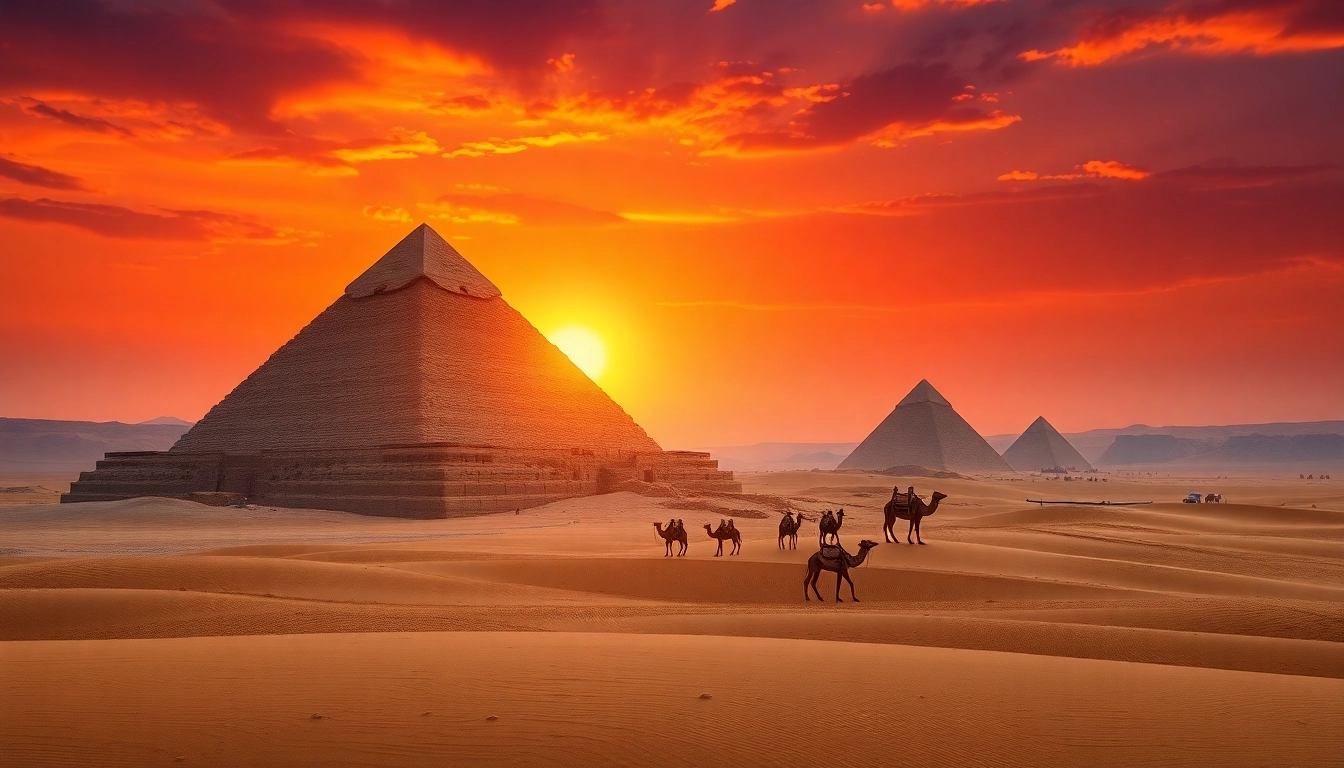
Introduction to the Pyramids
The pyramids, those iconic remnants of ancient civilizations, have long captivated the imagination of historians, archaeologists, and tourists alike. They are not merely structures of stone; they embody the spirit, culture, and technological prowess of the societies that built them. The most famous among these are the Egyptian pyramids, particularly those at Giza, which continue to draw attention for their monumental scale and historical significance. At the heart of the inquiry about these magnificent structures lies the intrigue of how they were constructed and why they were so integral to Egyptian culture. For more insights on these ancient marvels, visit https://piraminds.com/.
What are the Pyramids?
Pyramids are large structures built with a square or triangular base and sloping sides that meet at a point on the top. The ancient Egyptians constructed these pyramids primarily as tombs for their pharaohs and elite, reflecting a deep belief in the afterlife. The architectural style varies significantly throughout the world, with different civilizations interpreting the form to suit their cultural context. While the Egyptian pyramids are the most recognized, similar structures exist across other cultures, including the Mesoamerican pyramids, which served varied religious and political functions.
The Historical Significance of Pyramids
The historical significance of pyramids extends beyond their architectural marvel; they symbolize the power and religious belief of the civilizations that built them. In Ancient Egypt, for example, the pyramids served as a testament to the pharaoh’s authority and divine status. The building of these structures involved large numbers of laborers and artisans, showcasing not only the organizational capabilities of the society but also its economic and political structure. Each pyramid was designed with an immense purpose, often believing that the pharaoh would ascend to the heavens upon death.
Why Pyramids Are Considered Wonders
Pyramids are often regarded as one of the Seven Wonders of the Ancient World. Their monumental scale, precise construction, and the mysteries surrounding their building techniques contribute to their enigmatic allure. The Great Pyramid of Giza, the largest and most famous of them all, was constructed with over 2 million blocks of stone, some weighing heavily over 2 tons each. These incredible feats of engineering have led to ongoing studies and debates about how such ambitious projects were accomplished with limited technology. Furthermore, the preservation of these structures over millennia adds to their status as wonders of the world.
Construction Techniques
Methods Used in Building the Pyramids
The construction of the pyramids has led to numerous theories about the methodologies employed. While the exact techniques remain a subject of speculation, several methods have been postulated through archaeological findings and historical records. Transporting large blocks from quarries to the construction site likely involved rolling logs or sledges, effectively utilizing manpower and natural resources. Furthermore, recent acoustic studies suggest that the ancient Egyptians may have employed sophisticated knowledge of sound to aid in lifting and positioning stones during assembly.
Materials and Tools
The primary material used in pyramid construction was limestone, which was abundantly available in the region. The outer casing, often made from high-quality Tura limestone, provided a smooth, reflective surface, while the core was composed of rough-cut blocks. Copper tools, such as chisels, were used for precise shaping, while wooden sledges helped in transporting the hefty stones. Interestingly, evidence also points to the use of water to reduce friction when moving large blocks, showcasing an understanding of hydraulic mechanics.
Labor Force and Organization
Building a pyramid required a well-organized labor force, composed primarily of skilled workers and seasonal laborers. Contrary to popular belief, the majority of laborers were not slaves but rather a workforce comprised of farmers who worked on the pyramids during the flooding season of the Nile when agricultural activities halted. Evidence from workers’ cemeteries near the pyramids indicates that these laborers were respected and well-fed, highlighting the importance of their contributions to this monumental undertaking. The organization of this labor force under skilled overseers ensured a systemic approach to construction, allowing for the attainment of such vast projects.
Life After Death: The Purpose of Pyramids
Spiritual Beliefs Surrounding Pyramids
The pyramids were built with a strong spiritual belief in the afterlife, a core tenet of ancient Egyptian religion. Egyptians viewed death as a transformation into another life, and the pyramid served as an elaborate burial ground that facilitated this journey. They believed that the pharaoh needed a grandiose and secure resting place to rise to the heavens among the gods. The pyramid’s shape itself symbolized the sun’s rays, conveying the idea that the pharaoh would ascend to the sky for eternal life.
Tombs of Pharaohs and Their Consorts
Each pyramid usually housed the tomb of a pharaoh, often accompanied by the remains of consorts or other elite individuals of the society. These tombs were intricately designed with chambers for burial and offerings, filled with goods deemed necessary for the afterlife. Elaborate wall carvings and inscriptions often adorned the interior, depicting the pharaoh’s achievements and prayers for the afterlife. The practice of including other items, such as jewelry, food, and daily necessities, confirmed the belief that the afterlife would offer a continuation of life on Earth.
Artifacts and Discoveries in Pyramids
Numerous artifacts have been discovered within the confines of Egyptian pyramids, providing invaluable insights into the culture and beliefs of the ancient civilization. These artifacts include sarcophagi, figurines, jewelry, and food supplies. Each item serves a unique purpose, either as offerings to the deceased or as symbols of the power held during life. Discoveries of additional chambers and passageways continue to fascinate archaeologists, shedding new light on the complexities involved in pyramid construction and the burial practices of the era.
Modern Discoveries and Technologies
Recent Archaeological Findings at Pyramids
Recent archaeological efforts have uncovered significant findings at various pyramid sites, notably at Giza and Saqqara. Tools, remnants of workers’ housing, and water drainage systems have been found, indicating the advanced planning applied during construction. Additionally, the use of non-invasive technology, such as ground-penetrating radar, has revealed hidden chambers within the pyramids, prompting fresh excitement regarding what else may remain to be discovered. These findings challenge previous notions about pyramid construction, expanding our understanding of ancient Egyptian capabilities.
Technological Advances in Pyramid Research
Technological advancements continue to transform our approach to studying the pyramids. Imaging techniques and archaeological surveys have revolutionized how archaeologists visualize and interpret these ancient structures without causing disturbances. 3D scanning technology has enabled detailed mappings of pyramids and their interiors. Computational modeling allows researchers to hypothesize about the construction processes and understand how these archaeological sites relate to the broader social, political, and economic contexts of ancient Egypt.
Implications for Our Understanding of History
The discoveries and advances in the study of pyramids have profound implications for our understanding of ancient history. They not only provide insights into the architectural and engineering feats of the Egyptians but also reveal complexities surrounding their social structure and belief systems. As new technologies and methodologies emerge, historians are equipped to fabricate a more nuanced picture of ancient civilizations, reshaping narratives that have stood unchallenged for centuries.
Visiting the Pyramids Today
Tourist Information and Accessibility
The pyramids are among the most popular tourist attractions globally, drawing millions each year. The Giza Complex, which houses the Great Pyramid, Sphinx, and the pyramids of Khafre and Menkaure, is equipped with facilities to accommodate tourists, such as visitor centers, information points, and guided tours. Accessibility has been enhanced through improved infrastructure, allowing both local and international visitors to experience these monumental sites comfortably.
Guided Tours and Cultural Experiences
Participating in guided tours enriches the experience of visiting the pyramids. Knowledgeable guides offer insights into the historical, cultural, and architectural significance of these iconic structures, providing context that enhances the visual spectacle. Furthermore, many tours incorporate cultural experiences, such as traditional Egyptian cuisine, bazaars, and programs featuring local crafts, allowing tourists to immerse themselves deeply in the rich heritage of Egypt.
Preservation Efforts for Future Generations
Preservation of the pyramids is critical for ensuring their integrity for future generations. Various organizations and the Egyptian government collaborate on conservation projects aimed at protecting these structures from environmental degradation, tourism impacts, and other threats. These efforts include restoring original features, monitoring structural stability, and enforcing regulations to limit damage. Conservation education is also promoted to foster respect for these monuments among visitors and locals alike.
Frequently Asked Questions
What are the Egyptian pyramids made of?
The Egyptian pyramids were primarily constructed from limestone, granite, and sometimes sandstone. The outer casing often featured fine Tura limestone for a smooth surface, while the inner core used rough-cut stones.
Why were the pyramids built?
Pyramids were built as monumental tombs for pharaohs and elite individuals, reflecting the belief in an afterlife and the divine status of the rulers. They served both religious and political purposes in ancient Egypt.
How tall is the Great Pyramid of Giza?
The Great Pyramid of Giza originally stood at about 146.6 meters (481 feet), though erosion and the removal of casing stones have reduced its height to approximately 138.8 meters (455 feet) today.
Can you enter the pyramids?
Yes, visitors can enter certain pyramids, including the Great Pyramid of Giza. However, access may be limited or subject to additional fees, and may only allow entry to specific chambers.
How old are the pyramids?
The pyramids at Giza were built during the Fourth Dynasty of the Old Kingdom of Egypt, approximately 4,500 years ago, making them some of the oldest and most enduring structures in the world.

